Mariner Institutional
Your Independent Investment Consultants
AndCo Consulting, LLC and Fourth Street Performance Partners, Inc. are now Mariner Institutional. As of April 2, 2024, we have joined Mariner, a privately held, national wealth management firm, as their new institutional platform.
Mariner Institutional believes every client is unique, and we advise each one individually. Our framework supports this customization and the ability to solve unique challenges for our clients.
We’re your trusted independent investment consultants, providing research-driven investment and retirement plan advisory solutions. Together, we help you to fulfill your institutional investment mission, manage fiduciary responsibilities and achieve long-term financial objectives. Our ultimate goal is to become an integral extension of your team, a trusted ally and a valuable resource for guidance and customized solutions, always acting in a fiduciary capacity without caveat or exception.
Who We Serve
Defined Contribution
Corporations
Endowments and Foundations
Nonprofit Institutions
Public/Governmental Funds
Taft-Hartley
We provide investment consulting services to Taft-Hartley plans around the country including pension, health and welfare, annuity savings, insurance trusts and training funds.
Our Solutions
We are committed to providing institutional clients with advice that affords them the greatest probability of achieving their unique goals and objectives. Our seasoned team of investment consultants serve as fiduciaries, seeking to create meaningful partnerships with our clients in order to deliver independent, customized solutions tailored to their unique needs, preferences and risk tolerance.
Retirement Plan Design
We provide comprehensive defined contribution plan design services to assist in providing plan participants with suitable investments, tools, resources and education to support their retirement goals.
Service Provider Selection
We help you compare and select third-party service providers including defined contribution plan recordkeepers, plan administrators and custodian banks to assist in the fulfillment of their fiduciary responsibilities.
Investment Advisory Services
We simplify your retirement plan decisions by taking a collaborative approach to investment and fiduciary needs and requirements:
- Investment Policy Statement
- Asset Allocation
- Manager Research and Selection
- Operational Due Diligence
- Open Architecture Approach
- Performance Measurement
- Client Education

Awards & Accolades
Mariner Institutional Leadership
_________________________
Bryan Bakardjiev, CFA®
National Director, Institutional Consultant
Office: Winter Park, FL

_________________________
Troy Brown, CFA®
Managing Director, Institutional Advisory Services
Office: Beachwood, OH + 7 more
_________________________
David Stofer, ChFC®, CLU®
Managing Director, Institutional Advisory Services, and Senior Institutional Advisor
Office: Overland Park, KS

_________________________
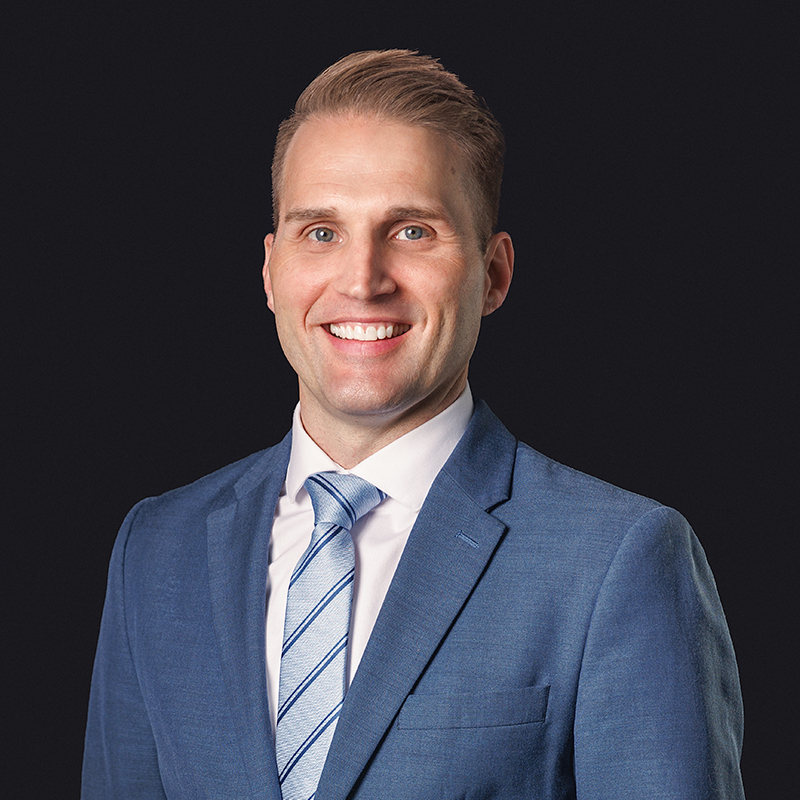
Dan Johnson
Director, Institutional Advisory Services
Office: Winter Park, FL
_________________________
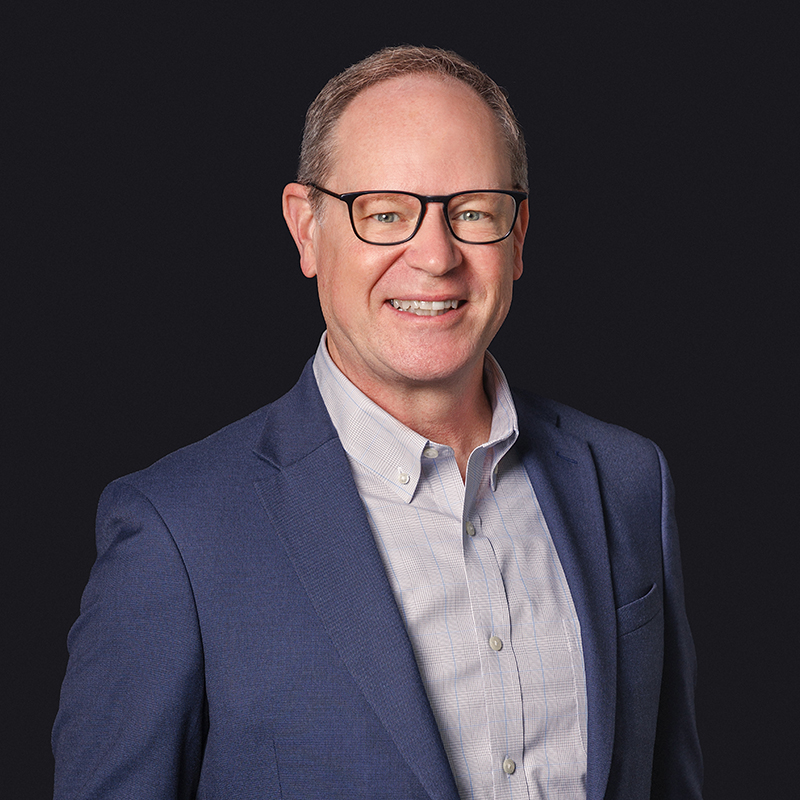
Jacob Peacock, CPFA®, CPSP®
Director, Institutional Advisory Services
Office: Winter Park, FL
_________________________
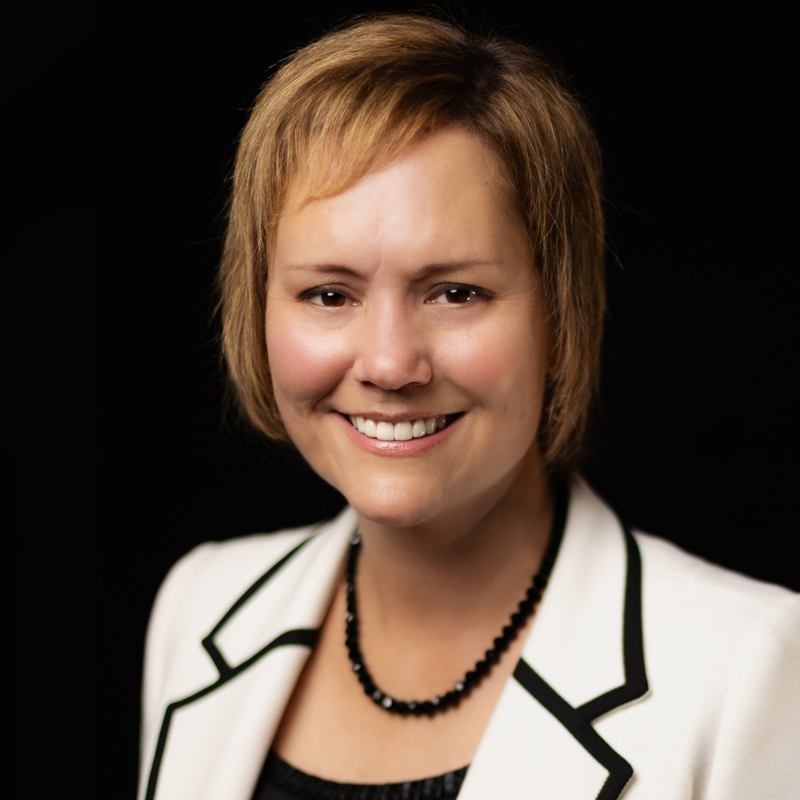
Steve Gordon
Director, Senior Institutional Consultant
Office: Winter Park, FL
_________________________
Angie Rosson, QPFC
Director, Institutional Advisory Services
Office: Overland Park, KS
Mariner Institutional Insights